“Your story is your life,” says Peter. As human beings, we continually tell ourselves stories — of success or failure; of power or victimhood; stories that endure for an hour, or a day, or an entire lifetime. We have stories about ourselves, our creative business, our customers ; about what we want and what we’re capable of achieving. Yet, while our stories profoundly affect how others see us and we see ourselves, too few of us even recognize that we’re telling stories, or what they are, or that we can change them — and, in turn, transform our very destinies.
Telling ourselves stories provides structure and direction as we navigate life’s challenges and opportunities, and helps us interpret our goals and skills. Stories make sense of chaos; they organize our many divergent experiences into a coherent thread; they shape our entire reality. And far too many of our stories, says Peter, are dysfunctional, in need of serious editing. First, he asks you to answer the question, “In which areas of my life is it clear that I cannot achieve my goals with the story I’ve got?” He then shows you how to create new, reality-based stories that inspire you to action, and take you where you want to go both in your work and personal life.
Our capacity to tell stories is one of our profoundest gifts. Peter’s approach to creating deeply engaging stories will give you the tools to wield the power of storytelling and forever change your business and personal life.
Join Peter for a truly transformational vacation for the mind.
Practical Info
Tour Details:
- Duration: One Day
- Start Time: 09:30 AM
- End Time: 5:00 PM
- Cost: € 995 per person excluding VAT (there are special prices for two or more persons)
You can book this tour by sending Peter an email with details at peterdekuster2023@gmail.com
TIMETABLE
09.40 Tea & Coffee on arrival
10.00 Morning Session
13.00 Lunch Break
14.00 Afternoon Session
17.00 Drinks
What Can I Expect?
Here’s an outline of The Hero’s Journey in the Louvre: The Power of Your Story
Journey Outline
OLD STORIES
- The Power of your Story
- Your Story is Your Life, Your Life is Your Story
- What is Your Story?
- Your Hero’s Journey
- Is It Really Your Story You Are Living?
- Old Stories (stories about you, your art, your clients, your money, your self promotion, your happiness, your health)
- Tell your current Story
YOUR NEW STORY
- The Premise of your Story. The Purpose of your Life and Art
- The words on your tombstone
- You ultimate mission, out loud
- The Seven Great Plots
- The Twelve Archetypal Heroes
- The One Great Story
- Purpose is Never Forgettable
- Questioning the Premise
- Lining up
- Flawed Alignment, Tragic Ending
- The Three Rules in Storytelling
- Write Your New Story
TURNING STORY INTO ACTION
- Turning your story into action
- Story Ritualizing
- The Storyteller and the art of story
- The Power of Your Story
- Storyboarding your creative process
- They Created and Lived Happily Ever After.
About Peter de Kuster
Peter de Kuster is the founder of The Heroine’s Journey & Hero’s Journey project, a storyteller who helps creative professionals to create careers and lives based on whatever story is most integral to their lives and careers (values, traits, skills and experiences). Peter’s approach combines in-depth storytelling and marketing expertise, and for over 20 years clients have found it effective with a wide range of creative business issues.

Peter is writer of the series The Heroine’s Journey and Hero’s Journey books, he has an MBA in Marketing, MBA in Financial Economics.
The Power of Your Story
What do I mean with ‘story’? I don’t intend to offer tips on how to fine-tine the mechanics of telling stories to enhance the desired effect on listeners.
I wish to examine the most compelling story about storytelling – namely, how we tell stories about ourselves to ourselves. Indeed, the idea of ‘one’s own story’ is so powerful, so native, that I hardly consider it a metaphor, as if it is some new lens through which to look at life. Your story is your life. Your life is your story.
When stories we watch touch us, they do so because they fundamentally remind us of what is most true or possible in life – even when it is a escapist romantic story or fairy tale or myth. If you are human, then you tell yourself stories – positive ones and negative, consciously and, far more than not, subconsciously. Stories that span a single episode, or a year, or a semester, or a weekend, or a relationship, or a season, or an entire tenure on this planet.
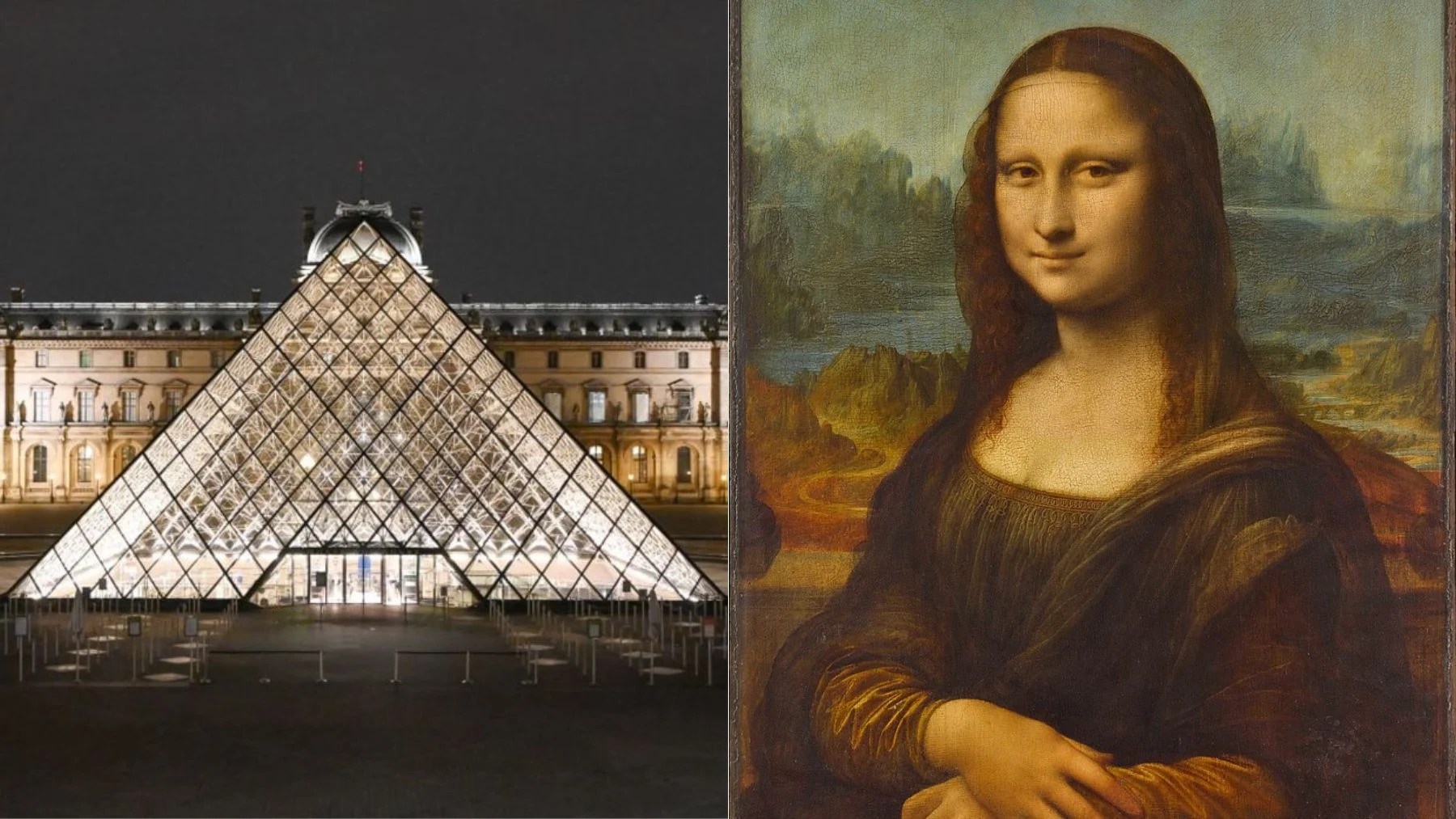
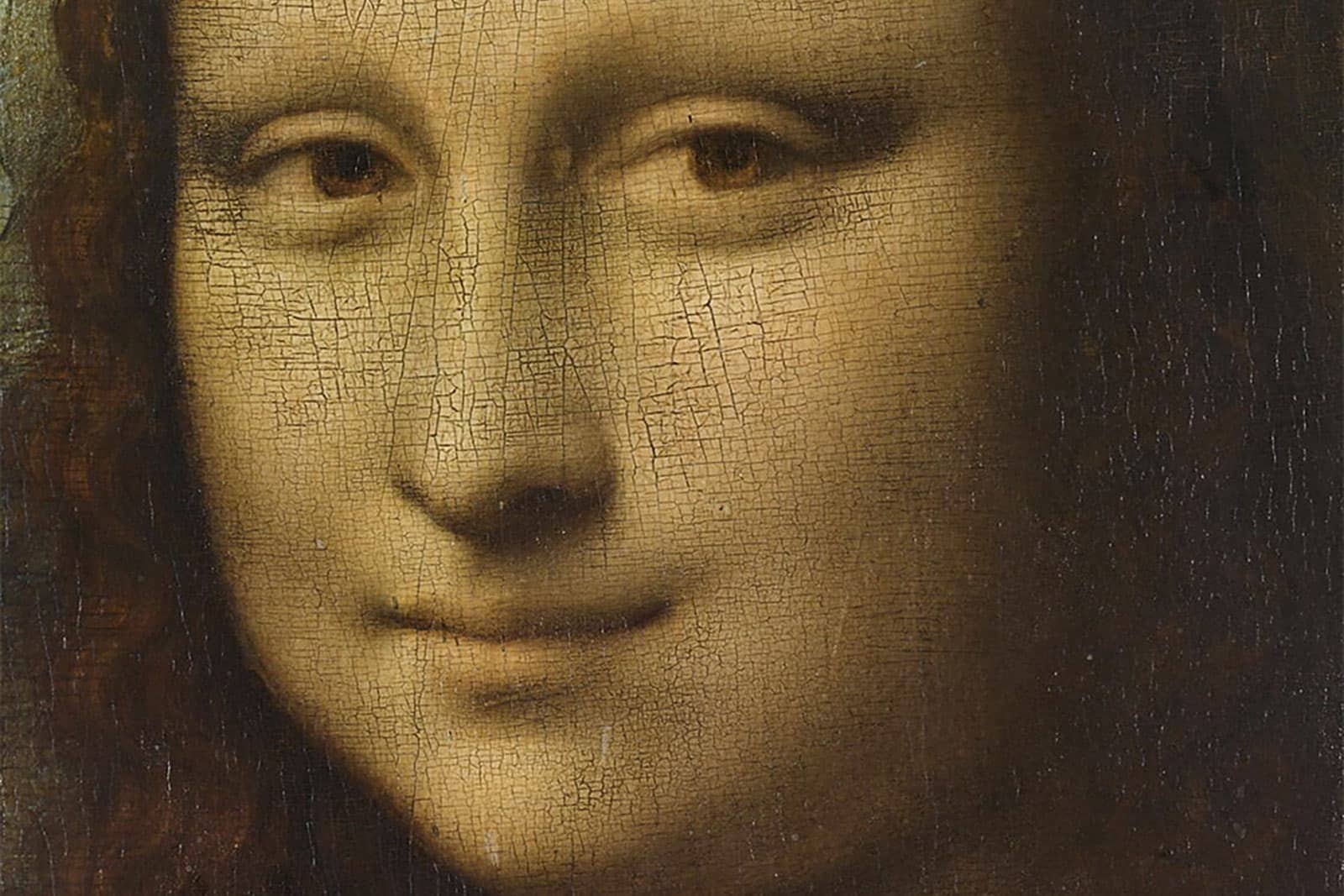
To ignite The Power of Your Story in the Louvre’s Hero’s Journey, we start with Leonardo da Vinci’s Mona Lisa. Denon Wing, Salle 711, Level 1. She’s guarded by glass amid throngs, yet her presence cuts through the chaos. That subtle smile hovering between joy and melancholy. Eyes that track your every shift. Hands folded in serene composure against a dreamlike landscape. No bold gestures, no drama—just enigma. What narrative does she hold? In her silence, she becomes your mirror, inviting the subconscious tales you tell yourself. A secret romance’s episode? A lifetime of quiet triumphs? She doesn’t narrate; you do.
The Mona Lisa isn’t merely a portrait; she’s a provocation for self-storytelling. Painted around 1503-1506, Leonardo’s masterpiece captures Lisa Gherardini, wife of a Florentine merchant, but transcends her subject. Her ambiguous expression—sfumato’s masterful blur of edges—defies pinning down. Is she amused by a lover’s whisper (a single episode’s spark)? Resigned to a season of unspoken loss? Or embodying an entire tenure’s wisdom, that knowing half-smile of one who’s navigated life’s tempests? Viewers project endlessly: one sees fairy-tale romance, another mythic resilience. Positive stories bloom—“She’s me at my strongest.” Negatives shadow—“Her mystery hides regret, like mine.”
This is the text’s essence alive in paint. Stories touch us because they echo life’s truths and possibilities. Mona Lisa, like any myth we adore, fundamentally reminds us of our own arcs. Subconsciously, we layer narratives onto her: a weekend’s intrigue in that glance, a relationship’s depth in her poise, a planet-spanning legacy in her gaze. She proves we’re all inner novelists, scripting consciously (grand life plans) or far more often subconsciously (that looping doubt before sleep). Her power? Universality. Kings, peasants, tourists today—all see themselves. A fleeting mood becomes an episode; a life’s pattern, a tenure.
Leonardo himself understood this. He carried her unfinished for years, layering, refining—much like we revise our self-tales. Giorgio Vasari noted her smile “seems alive,” drawing life from viewers’ imaginations. Napoleon hung her in his bedroom, whispering personal myths to her nightly. Oscar Wilde called her “older than the rocks,” a timeless archetype we inhabit. Modern crowds—millions yearly—flock not for technique alone, but activation: she pulls subconscious stories to the surface. A glance sparks “What if?” possibilities; her steadiness affirms truths like endurance, mystery, self-possession.
Mona Lisa as Hero’s Journey Threshold
In my Hero’s Journey coaching—heroines and heroes alike—this painting marks the “ordinary world.” Not bland routine, but your baseline inner narrative. Before Louvre epics like the Raft of the Medusa’s survival saga or Liberty Leading the People’s revolutionary fire, confront here: What stories govern me? Positive ones—“I’m the enigmatic adventurer”—fuel quests. Negatives—“I’m forever sidelined”—demand rewrite. Mona embodies the call: peer into her, see your episodes (that pivotal meeting), seasons (career pivot), tenures (legacy audit). Escapist? Her fairy-tale allure says yes. True? Her human depth screams possibility.
Her own “story” amplifies this. Lisa Gherardini lived quietly—marriage, children, widowhood—yet Leonardo transformed her into eternal enigma. We invent her tale: muse? Model with secrets? Stolen in 1911, recovered amid global frenzy, she’s lived heists, wars, bullets (a 1956 rock-throw scarred her). Each chapter mirrors our lives—ordinary turned mythic through narrative. Subconsciously, we think: “My quiet tenure holds untold power.” Positive projection; profound gift.
Living the Self-Story Daily
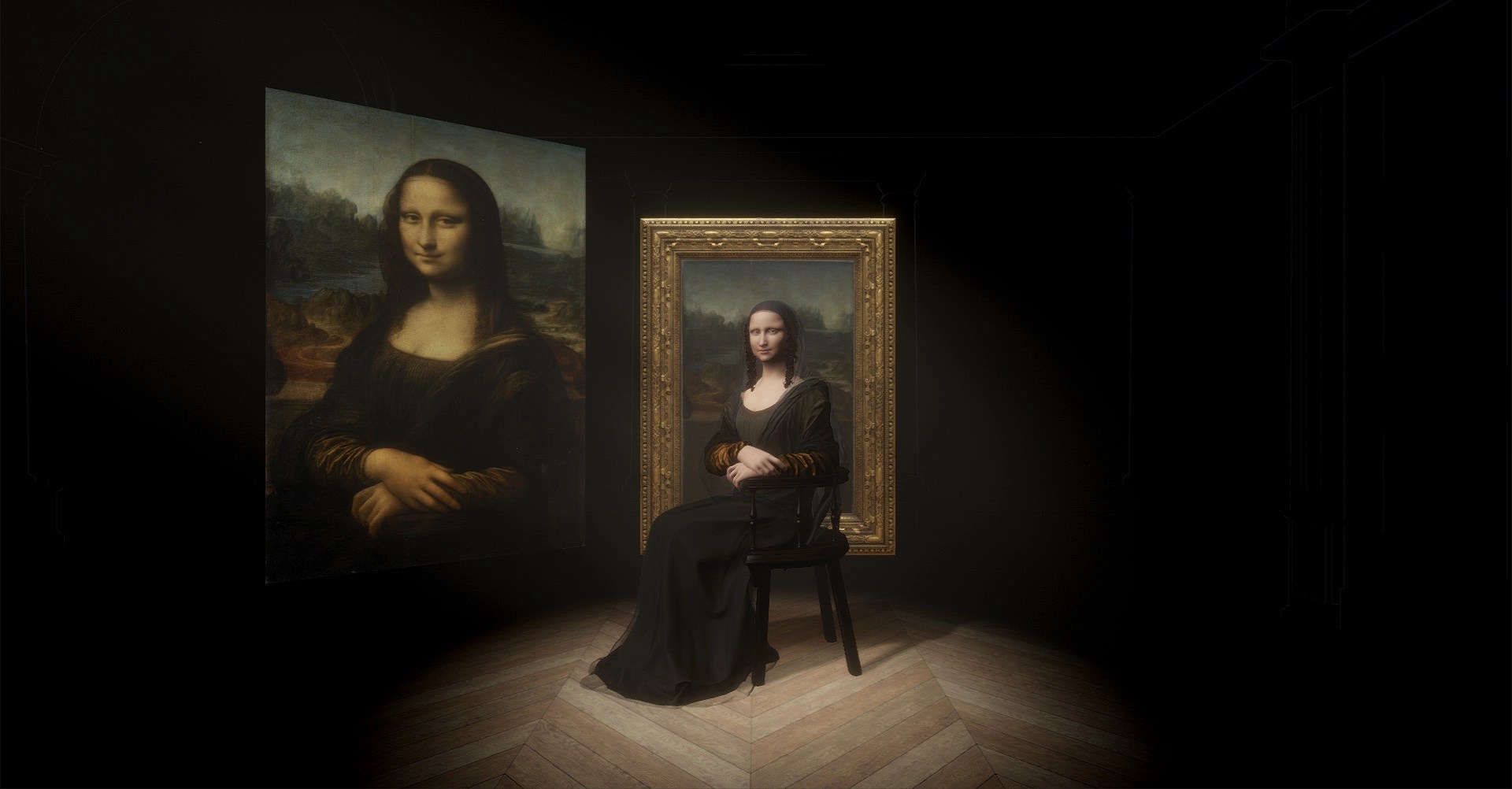
Extend Mona’s lesson beyond the Louvre. That morning commute? An episode begging heroic spin. Fractured talk with a friend? Relationship chapter for rewrite. Career plateau? Season calling myth-making. We tell these subconsciously, but awareness unlocks power. The Mona Lisa teaches: your gaze crafts reality. Her smile—joy or sorrow?—is yours to author. Fairy tale escape (dream lover across the room)? Mythic truth (inner strength unveiled)?
Clients resist at first: “Peter, my life’s no novel.” I point to Mona: ordinary woman, infinite stories. You’re no different. Positive tales span weekends to legacies; negatives stall them. Rewrite: identify subconscious scripts, infuse possibility. A semester’s grind becomes triumph’s forge. Tenure’s arc, Mona’s smile—eternal.
Great art provokes your telling. She does it flawlessly. Crowds sense it—not brushstrokes, but soul-stirring reminder: we’re storytellers supreme. A glance bridges episodes to eternities. Escapist myth? Absolutely. Life’s truth? Undeniably.
Stand before her. Ask: What tale rules my mind? Answer, and your Hero’s Journey launches—not outward, but inward. Your story awaits its boldest chapter.
 The Hero's Journey