The Hero’s Journey of Caravaggio in Rome
A Leadership Walking Tour with Peter de Kuster
Rome was Caravaggio’s stage and shelter — a city where chaos met genius, where light cut through darkness to reveal uncomfortable truth. In his paintings and his troubled life, we find not just the drama of baroque art but the deep structure of modern leadership: responding to a call, daring to be authentic, working under pressure, transforming failure, and ultimately integrating light and shadow into a meaningful story of work and life.
This immersive walking tour invites you to explore Caravaggio’s Rome as a living metaphor for your own hero’s journey in business and leadership. Guided by storyteller and entrepreneur Peter de Kuster, you will move through churches, studios, and streets where Caravaggio worked, fought, and reinvented himself, using each location as a prompt to reflect on your personal and professional path.
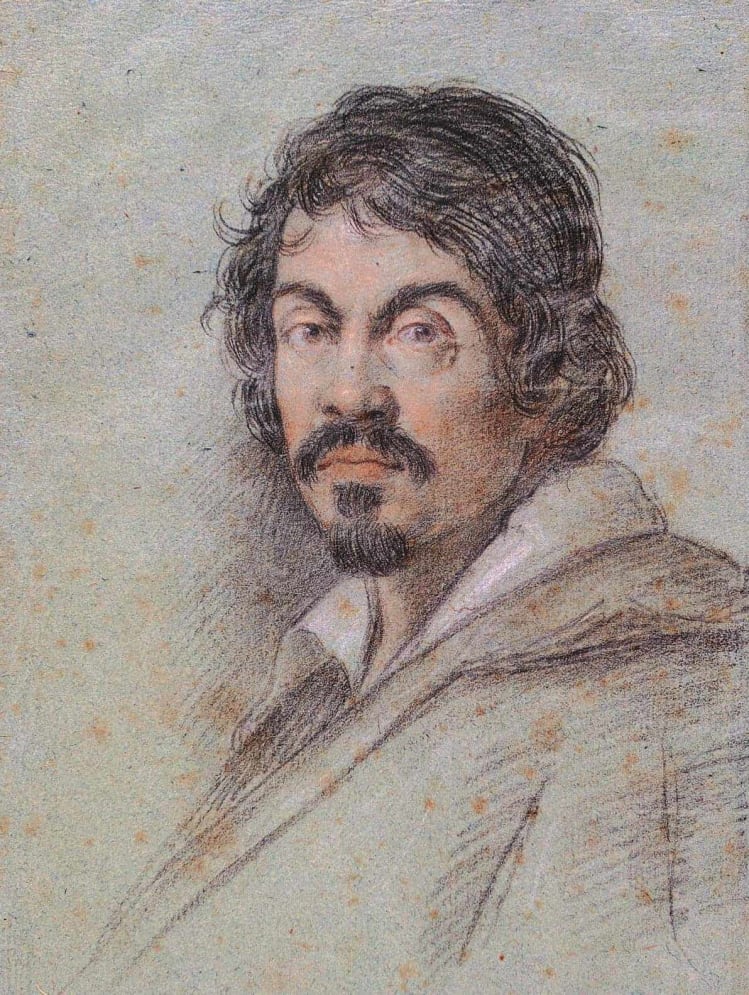
Rather than a traditional art history lecture, this experience is a moving workshop in narrative leadership. We use Caravaggio’s works as mirrors and questions, not answers. At every stop, you will be invited into short, focused exercises that connect what you see on the walls with decisions you face in your own organization, team, or creative venture. The goal is not perfection, but presence: a way of leading where your work becomes an honest expression of who you are and what matters most.
Designed for leaders, entrepreneurs, and creative professionals, this 4.5‑hour journey blends reflection, dialogue, and storytelling in the streets of Rome. Group size is intimate to allow for meaningful exchange and individual attention.
Price: €695 per person (excluding VAT), minimum 4 participants. Includes museum entries, headset, and refreshments.
For information and bookings, contact Peter de Kuster at:
Email: peterdekuster2023@gmail.com
Practical Details
- Duration: Approximately 4.5 hours (morning or late afternoon start)
- Group size: Minimum 4, maximum 12 participants
- Language: English
- Price: €695 per person, excluding VAT
- Includes all church and museum entry fees, wireless audio headsets for clear listening, and one curated coffee/wine break.
- Audience: Senior leaders, entrepreneurs, founders, creative professionals, and teams seeking a deeper narrative for their work.
Available Formats:
- Standard Leadership Tour (above pricing)
- Private Executive Edition (€1,250 total for up to 4 participants): Includes one-hour personalized story coaching session with Peter de Kuster afterward.
- Corporate Retreat Bundle (€3,500 per day): Custom multi-day program for leadership teams, combining the Rome walk, storytelling workshop, and business-narrative alignment session. Ideal for strategy offsites or team resets.
This tour is perfect as:
- A standalone leadership development experience during a Rome offsite.
- A premium client or partner event for professional services, creative agencies, or investors.
- A personal career pivot or renewal for leaders at key crossroads.
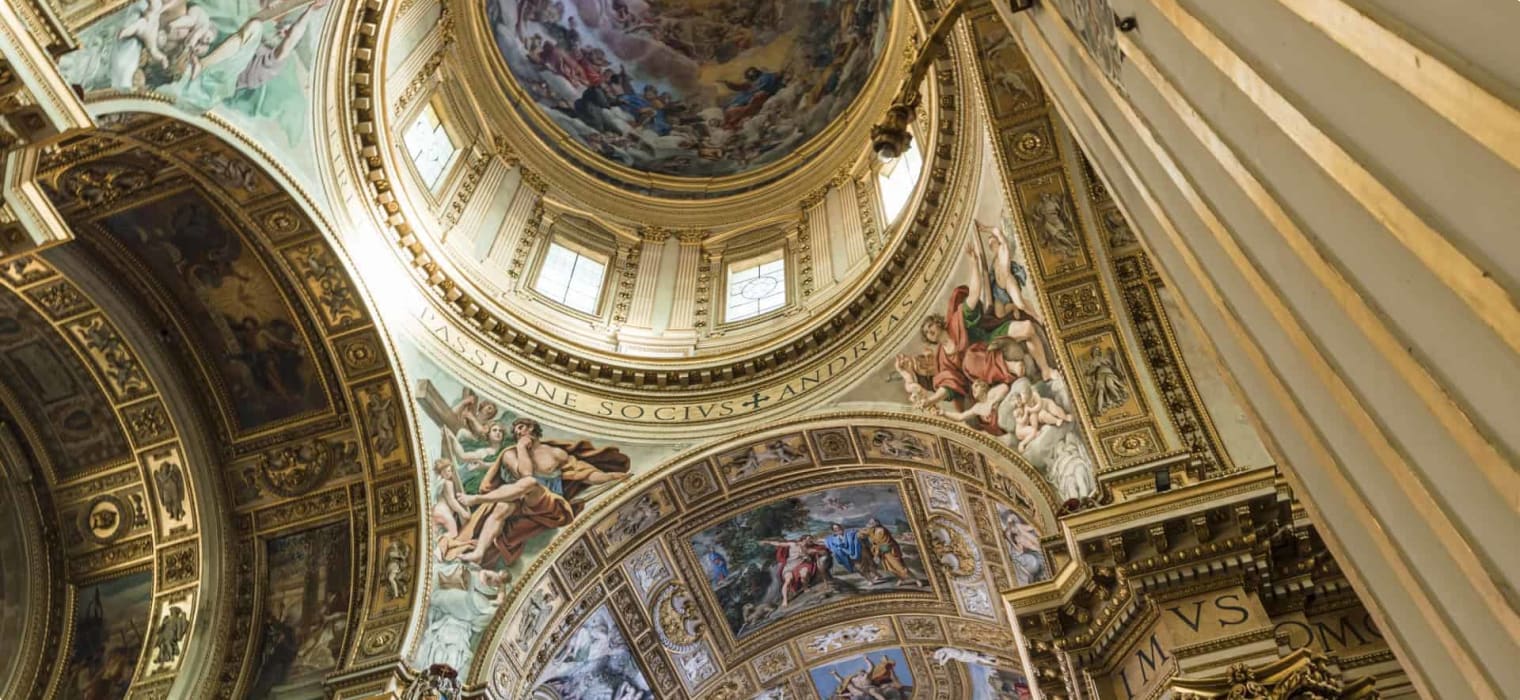
Itinerary: Walking the Hero’s Journey of Caravaggio
The route traces a complete narrative arc. Each stop maps to a hero’s journey stage, with leadership insights and practical exercises.
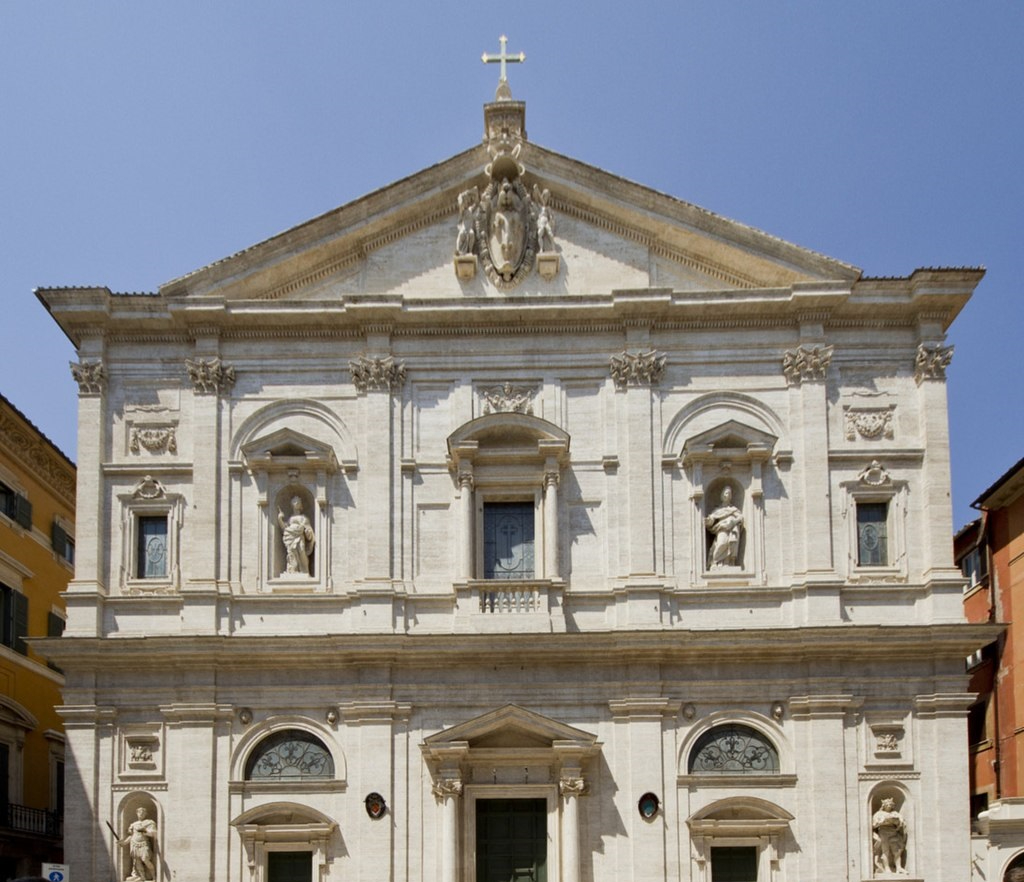
1. San Luigi dei Francesi – The Call to Adventure
Location: Contarelli Chapel, The Calling of Saint Matthew. A beam of light pierces a dim room as Matthew discovers his larger purpose.
Theme: Awakening to purpose.
Leadership Focus: When responsibility transforms into vocation — moving from ambition to calling.
Experience:
- Silent observation: Where does your eye go first?
- Journal: “What light called me into my path? What did I leave behind?”
- Dialogue: Ambition vs. true vocation in modern leadership.
Caravaggio’s own move from Lombardy to Rome mirrors this threshold moment of risk for significance.
2. Sant’Agostino – Authenticity as Innovation
Location: Madonna di Loreto, with barefoot pilgrims in a Roman doorway — a scandalous blend of sacred and everyday.
Theme: Truth over convention.
Leadership Focus: Real innovation comes from aligning outer action with inner conviction, even when it shocks.
Experience:
- Observation: How does dirt become divine here?
- Reflection: Where do you currently “polish” truth for acceptability?
- Conversation: A time honesty changed an outcome more than strategy.
What if you led — and communicated — with Caravaggio’s courage to show reality’s texture?
3. Via della Scrofa – Focus Amid Chaos
Location: Site of Caravaggio’s former studio — now a narrow Roman street evoking his working world of pigments, apprentices, and deadlines.
Theme: Mastery through responsiveness.
Leadership Focus: Deep work thrives in trust and rapid feedback, not over-control.
Experience:
- Awareness walk: Notice light, sound, rhythm.
- Reflection: Where do you find flow now — and where is it blocked?
- Discussion: Autonomy vs. micromanagement in high-stakes teams.
Caravaggio didn’t eliminate chaos; he painted within it.
4. Santa Maria del Popolo – Transformation Through Crisis
Location: The Conversion of Saint Paul (falling horse, blinding light) and The Crucifixion of Saint Peter (vulnerable dignity).
Theme: Collapse as revelation.
Leadership Focus: Reframing failure, disruption, or exile as essential plot turns.
Experience:
- Quiet time: What emotion arises first?
- Paired story: “A professional failure that taught me most about leadership.”
- Reframing: Rewrite it as Call → Ordeal → Gift.
The emotional core: every meaningful career includes these turning points.
5. Palazzo Barberini – Mastery, Action & Shadow
Location: Judith Beheading Holofernes (calm decisiveness) + reflection on David with Goliath’s Head (self-confrontation).
Theme: Integration of light and shadow.
Leadership Focus: Decisive action + conscious use of your full character (including flaws).
Experience:
- Observation: Discipline meeting instinct in Judith’s face.
- Shadow prompt: “What traits in others reveal my unclaimed qualities?”
- Synthesis circle: Leading with clarity, compassion, strength, vulnerability.
Closing: Wine and Rome rooftop conversation. Articulate one concrete action for your return journey.
Why Choose This Experience?
This is narrative leadership made tangible. Caravaggio’s Rome becomes your laboratory for:
- Aligning personal story with organizational purpose.
- Building trust-based teams that perform under pressure.
- Turning setbacks into your most compelling leadership chapters.
Rome’s layered history mirrors the creative professional’s path: every project builds on ruins, every failure lays foundation. Walk these streets, and you walk your own unfolding story.
Book your dates: peterdekuster2023@gmail.com
“The Hero’s Journey is not perfection. It is presence. The masterpiece is not the painting, but the person who dares to paint at all.”
Rome is a city built for storytellers. It breathes in scenes — courtyards folding into sunlight, marble saints leaning toward strangers, shadows hiding possibilities. Every step in this city reminds me that story is not invented, it is revealed.

That is why I always return here: not to see monuments, but to watch what happens when vision meets focus, when life itself becomes a work in progress. For me, Rome is the perfect laboratory for understanding the hero’s journey — that state of absorption and presence where creation feels both effortless and essential. And no one embodies that state better than Michelangelo Merisi da Caravaggio.
When I walk his Rome, I am not merely an admirer of art history; I am a student of performance. For Caravaggio’s story, unruly and luminous, tells us something timeless about how meaningful work gets done. He lived the contradiction that every leader, entrepreneur, or creative faces: the tension between chaos and control, ambition and doubt. Yet from that tension he produced something so alive that, centuries later, his paintings still pulse with energy.
They are not frozen artifacts; they are ongoing conversations about purpose — and that conversation is the essence of the hero’s journey.
The Call in San Luigi dei Francesi
I begin my usual pilgrimage at the Contarelli Chapel in San Luigi dei Francesi. Standing before The Calling of Saint Matthew, I always feel time narrowing. Everything in the composition converges toward that sharp ray of light cutting across the dim room.
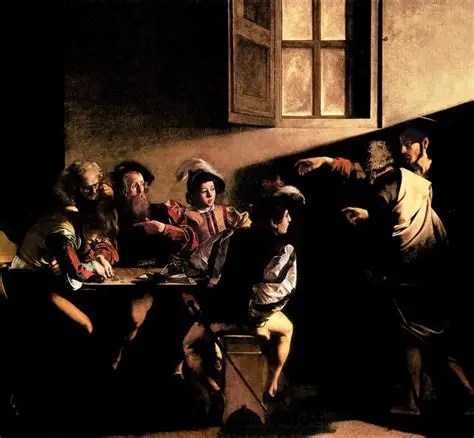
It’s a quiet awakening, the instant an ordinary man realizes his life has meaning. That, to me, is where every hero’s journey begins — not in triumph, but in recognition.
The “call to adventure” is less a trumpet than a whisper: There is more to you than you have lived so far. Caravaggio heard that call when he left Lombardy for Rome, chasing significance rather than security. The Hero’s Journey begins at the same threshold — where commitment replaces contemplation, where one steps forward without knowing the ending.
Watching the light strike Matthew’s hand, I think of how the mind feels when it slips into full focus. Doubt evaporates. Time collapses. The body exerts effort but feels weightless. The Hero’s Journey begins the moment work becomes inevitable. Caravaggio’s subject was transformation itself. His art was survival. Every entrepreneur who has risked everything for an idea knows the same sensation: fear outweighed by necessity.
Authenticity as the New Innovation
I walk to Sant’Agostino, near Piazza Navona. Inside hangs Madonna di Loreto, a work that scandalized and defined him. Mary appears barefoot, standing in a doorway that could belong to any Roman alley.
Caravaggio had obeyed his truth. He painted the sacred through the human. That authenticity — risky, grounded, sincere — was the foundation of his hero’s journey.
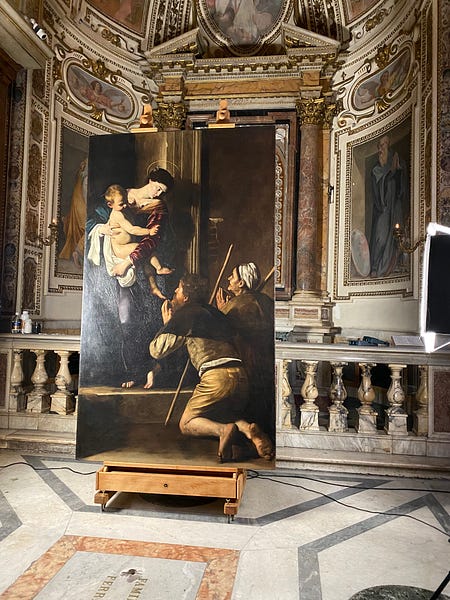
In business we speak often of innovation, yet what Caravaggio teaches is simpler and more daring: authenticity is the highest innovation. The Hero’s Journey demands faithfulness to one’s story even when convention resists. Leaders communicate not what pleases but what is real; creators allow imperfection to speak.
Caravaggio knew that dirt could tell the truth better than marble. And that is why, long after the critics vanished, his paintings still move us — we recognize ourselves in them.
Focus in the Studio on Via della Scrofa
From Sant’Agostino, the streets narrow toward Via della Scrofa, where Caravaggio’s studio once stood. I imagine the clutter of pigments, apprentices, half‑finished canvases. It was chaos, yet inside that chaos he achieved precision.
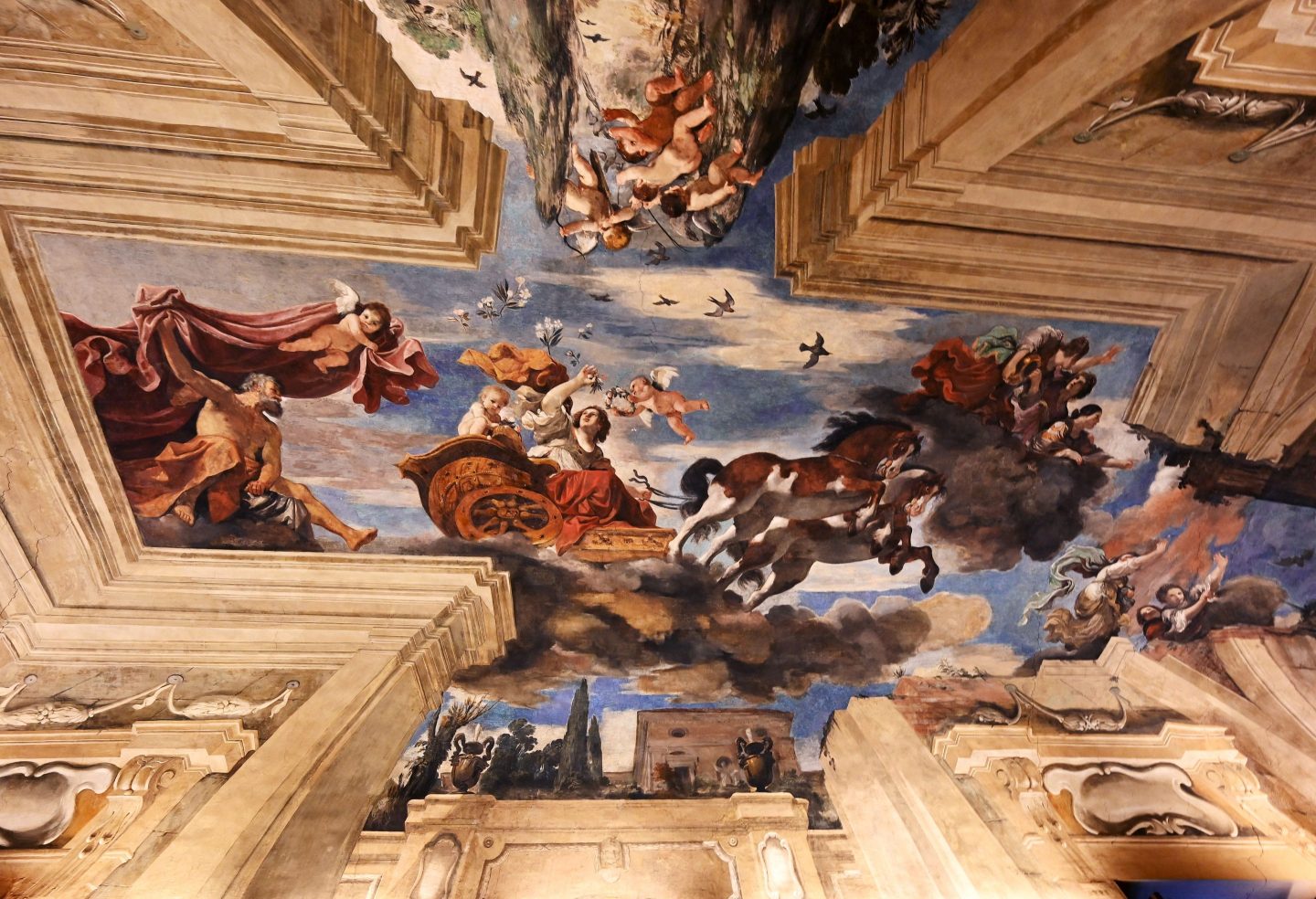
The Hero’s Journey always emerges from paradox: complete concentration amid disorder. When goals are clear, feedback immediate, and challenge matched to capability, the brain aligns with the task. That’s what likely happened here — each brushstroke balanced between control and surprise.
Too often, organizations seek this through systems. Yet the hero’s journey thrives in trust, not control. Caravaggio didn’t overplan; he prepared himself for responsiveness. That is the mark of mastery. Entrepreneurs who design fast feedback loops and grant autonomy invite the same dynamic presence. The hero’s journey isn’t freedom from pressure; it’s mastery under pressure.
Transformation in Santa Maria del Popolo
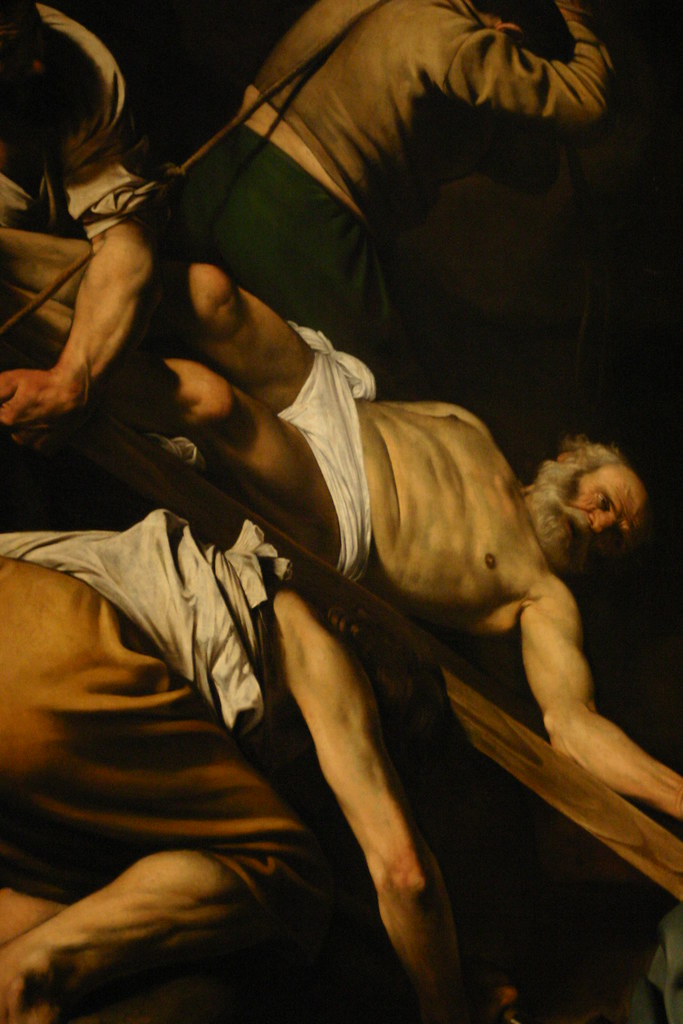
At Santa Maria del Popolo, The Conversion of Saint Paul and The Crucifixion of Saint Peter face one another in an intense stillness.

In the Conversion, Paul falls from his horse, eyes closed — divine revelation arriving not as comfort but collapse. Caravaggio captured the midpoint between disaster and illumination. That moment is central to the hero’s journey and to every creative process: the fall that becomes discovery.
Business life repeats this rhythm endlessly. A product fails, a team fractures, a plan dissolves — and what seemed like ruin becomes revelation. Story reframes adversity as transformation. Without story, stress is chaos; with story, it becomes evolution.
Caravaggio made trauma transcendent. His genius was to put failure at the center of faith.
Action and Mastery in Palazzo Barberini
Later, in Palazzo Barberini, I stand before Judith Beheading Holofernes. The scene is dreadful yet composed. Caravaggio fuses decisiveness with serenity, freezing the instant of outcome.
The Hero’s Journey functions the same way: the mind stops negotiating and executes. The self disappears. Every true moment of performance — in art or enterprise — bears this quality of inevitability. Yet behind that “effortless” act lies endless rehearsal. Judith’s calm expression is not cruelty but refined focus, the face of discipline when it merges with instinct.
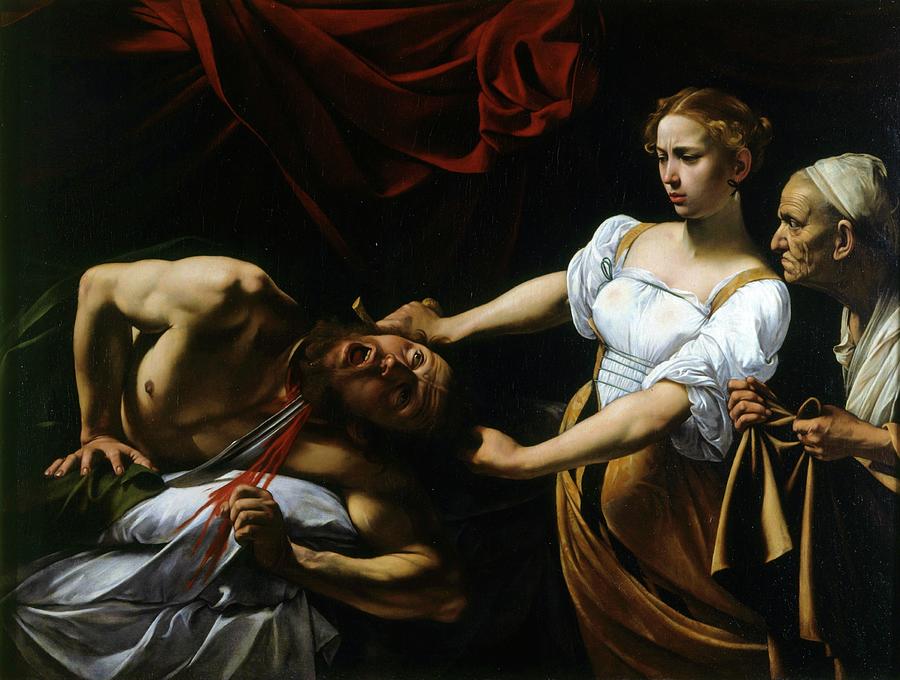
The Hero’s Journey demands this union. Without discipline, intensity becomes chaos; without emotion, craft loses vitality. Caravaggio found equilibrium through narrative. Each brushstroke served the story, and the story gave direction to the skill.
Lessons in Light and Shadow
Rome itself seems to conspire with this rhythm. The city is perpetually rebuilding upon itself — ruins beneath palaces, modern glass beside Renaissance domes. That layered self‑renewal mirrors the life of the creative professional. Each project adds a layer, each failure a foundation.
As dusk gathers, I drift toward Campo Marzio, where Caravaggio once fought, fled, and dreamed. His late years were restless, marked by exile and longing. Yet even in flight, he painted with uncompromising vision.
The final works, especially David with the Head of Goliath, hold self‑portrait and confession merged. The painting becomes a mirror: the sinner rendered by the saint, the hero confronting his own shadow.
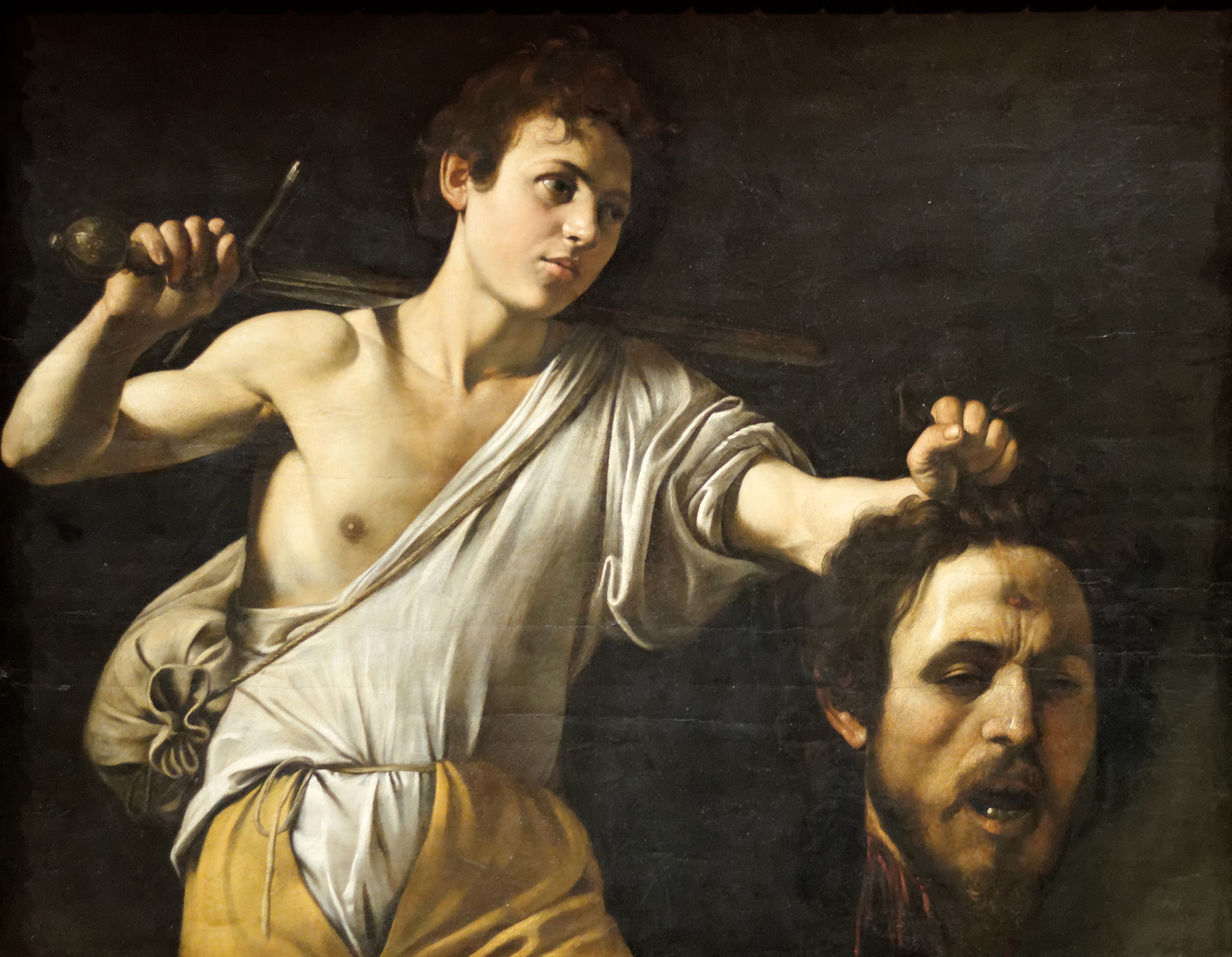
The hero’s journey is not a march toward perfection but a cycle of integration. The shadow is not to be denied but understood. Caravaggio turned his own darkness into creative voltage. He didn’t hide contradiction; he dramatized it. That courage — to face one’s full narrative — is what sustains both the hero’s journey and leadership integrity.
The Architecture of The Hero’s Journey
Standing again before San Luigi dei Francesi on my final evening, I realize that Caravaggio’s Rome itself forms an architecture of the hero’s journey:
- The Chapel represents purpose — a clear, emotionally charged goal.
- The Studio stands for structure with freedom — systems that enable improvisation.
- The Streets embody challenge — friction that sharpens focus.
- The Journey across these spaces distills story — meaning that connects each act to something larger.
We might call this “narrative productivity”: the alignment of challenge, skill, and purpose under the guiding story of who we are and why we create.
Caravaggio lived entirely inside that loop. When he painted, the boundaries between faith and doubt, work and life, blurred into pure focus. Each commission was a test, each painting a transformation. His chaos was not the opposite of order but its fuel.
The Return
Eventually, every hero must return from the adventure carrying insight home. Caravaggio’s physical return to Rome was cut short by death, but his creative return lives in his legacy — in the way his light still instructs us.
The Hero’s Journey, as his work shows, is not escapism. It’s a profoundly ethical act: giving full attention to what matters. It demands vulnerability, risk, empathy, and presence — the same traits that shape trustworthy leadership.
Walking back through the quiet streets, I notice how the lamplight replicates his chiaroscuro on wet cobblestones: brilliance emerging from darkness. That is the everlasting metaphor of creative life. Rome teaches that beauty and complexity are bound; Caravaggio teaches that performance and story are one.
When we design our own work this way — aligning talent with purpose, trusting the process, telling genuine stories — we, too, move through the city of our lives in our hero’s journey.
And one day, perhaps, someone will pause before what we have built, feeling for a moment that same brief hush of illumination: the recognition that truth and meaning share the same light.
Author’s Note
Peter de Kuster is a storyteller and entrepreneur focusing on the intersection of narrative, creativity, and business transformation. He leads international programs on “The Hero’s Journey in Business” and explores how purpose and story turn work into an adventure of meaning.
 The Hero's Journey